
5 ways to help you understand sustainable interior design
Sustainable interior design gets used as a marketing term more often than it gets used honestly. A recycled cushion cover next to a fast-furniture sofa isn't sustainable design – it's decoration with a good conscience attached to one item.
59% of total annual UK waste is generated by the construction industry, which includes interior fittings and fixtures. Real sustainability in interiors is less about a single hero product and more about a set of decisions running through the entire project, from the materials specified to how long the finished room is built to last.
Here at Studio Fiveways – we have a genuine appetite for this. It's part of why we take the subject seriously rather than treating it as a box to tick.
Here are our tips for understanding what sustainability means in design.
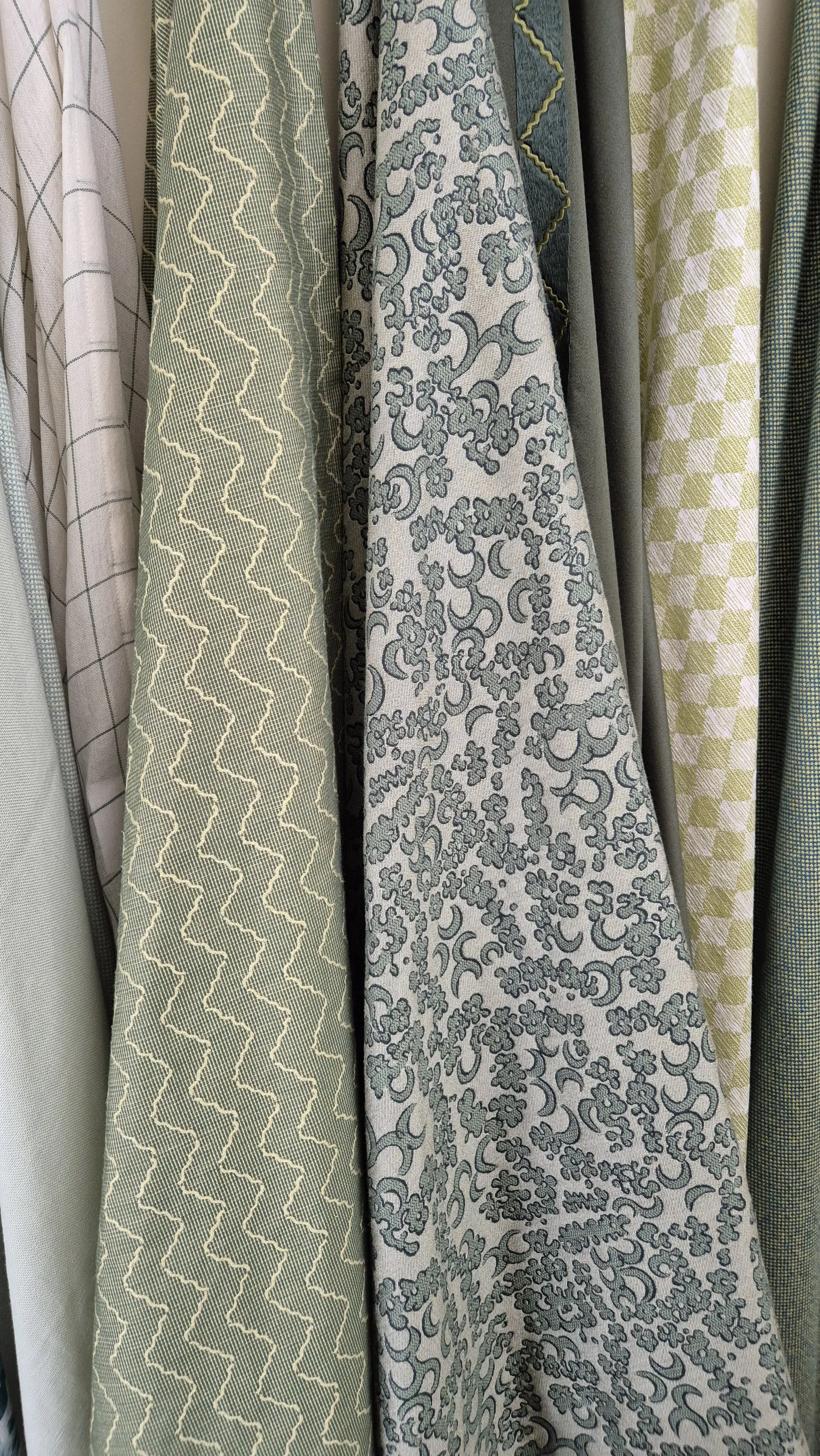
Locally sourced fabric
1. Longevity is the most sustainable choice there is
The single biggest lever in sustainable design is simple: how long does that thing last before it's replaced?
A well-made piece of furniture, built from solid timber with a proper joinery construction, will often outlast three or four cheaper equivalents bought over the same period. That's true even before you factor in the manufacturing footprint of each replacement.
Buying well, and buying less often, does more environmental and long-term budget help than almost any other single decision in a project.
This runs counter to a lot of fast-turnaround interior trends, which is exactly the point. Timeless design is strategic and sustainable, not just an aesthetic preference. A room designed to work with day-to-day reality and still feel right in fifteen years doesn't need replacing in three.
2. Where materials actually matter
Not all sustainable materials are created equal, and some of the popular ones are more marketing than substance.
Reclaimed and salvaged timber genuinely reduces demand on new forestry, and Sussex has a strong network of local salvage yards worth knowing about. Natural fibres – wool, linen, jute – tend to biodegrade at the end of their life, unlike synthetic equivalents that persist for decades.
Low-VOC paints matter for indoor air quality as much as for their environmental footprint, which is particularly relevant in older properties across the South Coast where ventilation can be limited.
Certification helps here, but it's not the whole story. FSC-certified timber tells you something about forestry practices. It doesn't tell you how far that timber travelled to reach your project, or how it was finished once it arrived. Ask questions beyond the certificate.
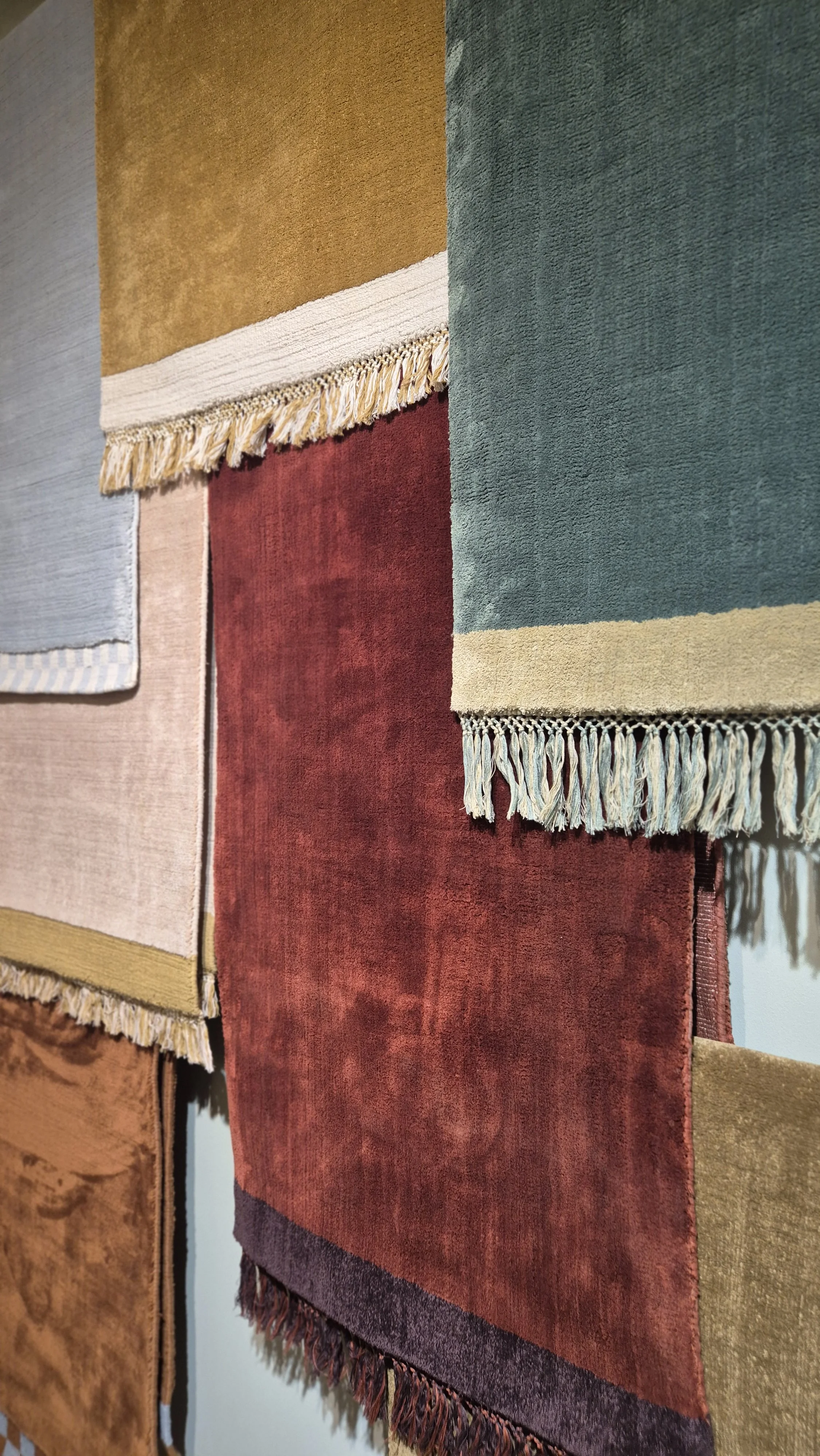
Luxury rugs made from recycled fishing nets.
3. Local sourcing does more than cut emissions
Sourcing locally in and around the South of England reduces transport emissions, obviously, but the benefits run deeper than that. Local makers and suppliers tend to produce in smaller batches, which usually means better quality control and less overproduction sitting in a warehouse somewhere.
It also supports a regional economy of craftspeople and small manufacturers, which matters if you'd rather your budget stayed close to home than went into a shipping container. We work with a number of local upholsterers, joiners, and suppliers for exactly this reason – the quality is there, and so is the story behind the piece.
4. The renovation question: restore or replace
For period properties, which make up a large share of Brighton's housing stock, one of the most sustainable decisions is often the simplest: keep what's already there.
Original cornicing, fireplaces, and floorboards represent embodied energy and craftsmanship that a modern replacement can't easily match. Restoration – sanding rather than replacing floors, repairing rather than ripping out original joinery – is very often both the more sustainable and more characterful choice, even when it takes more skill and more time than a straightforward strip-out.
This isn't a blanket rule. Some original features are beyond saving, and some period fittings – old boilers, poor insulation, single-glazed windows – actively work against a home's efficiency, which is its own form of unsustainability. The goal isn't to preserve everything indiscriminately. It's to make a genuine assessment of what's worth keeping and what isn't, rather than defaulting to strip-out because it's faster.
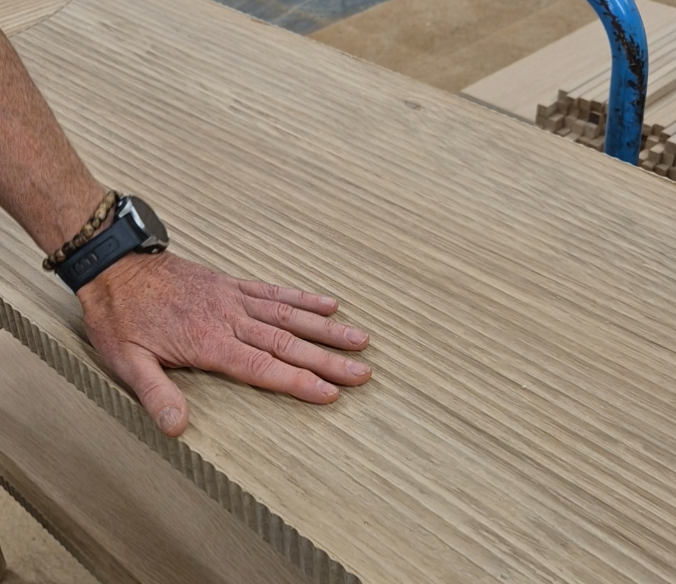
Working with local crafts-people.
5. Sustainable doesn't mean visually compromised
There's a persistent assumption that sustainable design means beige, hessian, and a slightly apologetic aesthetic. It doesn't have to, and in our experience, the best sustainable interiors don't announce themselves as such at all.
A room built from well-sourced, well-made materials, with restored original features and furniture chosen to last, simply looks like a considered, high-quality space. The sustainability is in the decisions behind it, not in a visible motif layered on top.
Where to start
If sustainability is a genuine priority for your project rather than an afterthought, say so at the very first conversation with your designer. It changes sourcing decisions from the outset, rather than being retrofitted onto choices that have already been made.
Ask directly about material provenance, about the durability of what's being specified, and about whether restoration has been properly considered before replacement. A good designer should have real answers to all three, not a vague reassurance.
How we approach it at Studio Fiveways
Sustainability runs through how we work rather than sitting as a separate service line. We favour local makers and suppliers where the quality supports it, we take restoration seriously as a first option in period properties, and we specify materials built to last rather than materials built to photograph well for one season.
If this is a priority for your project, it's worth raising early. Get in touch, and we'll talk through what it actually means for your space.
